
Noticias del mercado & perspectivas
Anticípate a los mercados con perspectivas de expertos, noticias y análisis técnico para guiar tus decisiones de trading.
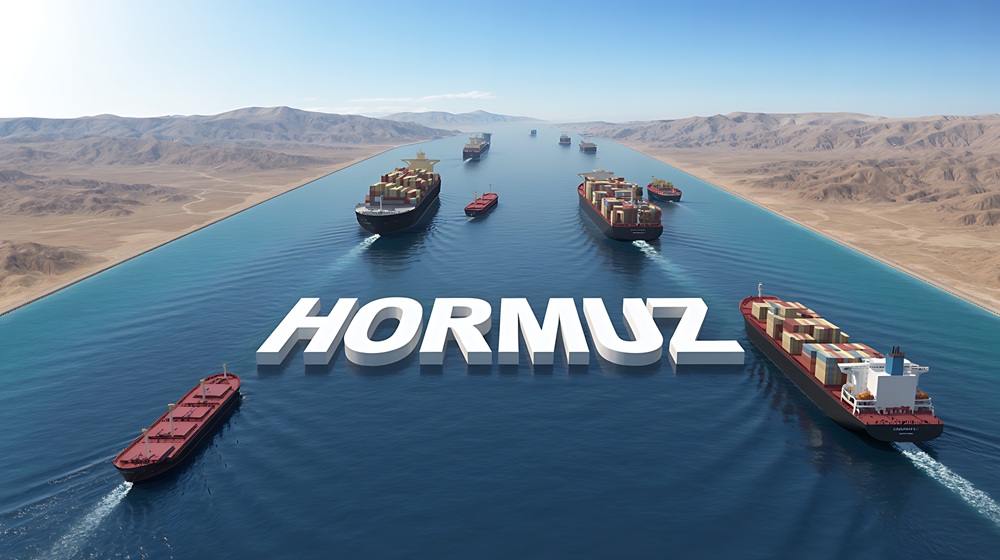
El anuncio del alto el fuego del 8 de abril y las discusiones paralelas en torno a una tregua de 45 días no han resuelto la interrupción del Estrecho de Ormuz. Por ahora, han puesto un tope al peor escenario posible, pero el tráfico de petroleros se mantiene en una fracción de los niveles normales y la demanda iraní de tarifas de tránsito señala un cambio estructural, no temporal.
Lo que comenzó como un conflicto regional se ha convertido en un shock energético global, y la pregunta para los mercados ya no es si Ormuz fue interrumpido, sino cómo permanentemente la interrupción cambia el piso de precios para el petróleo.
Puntos clave
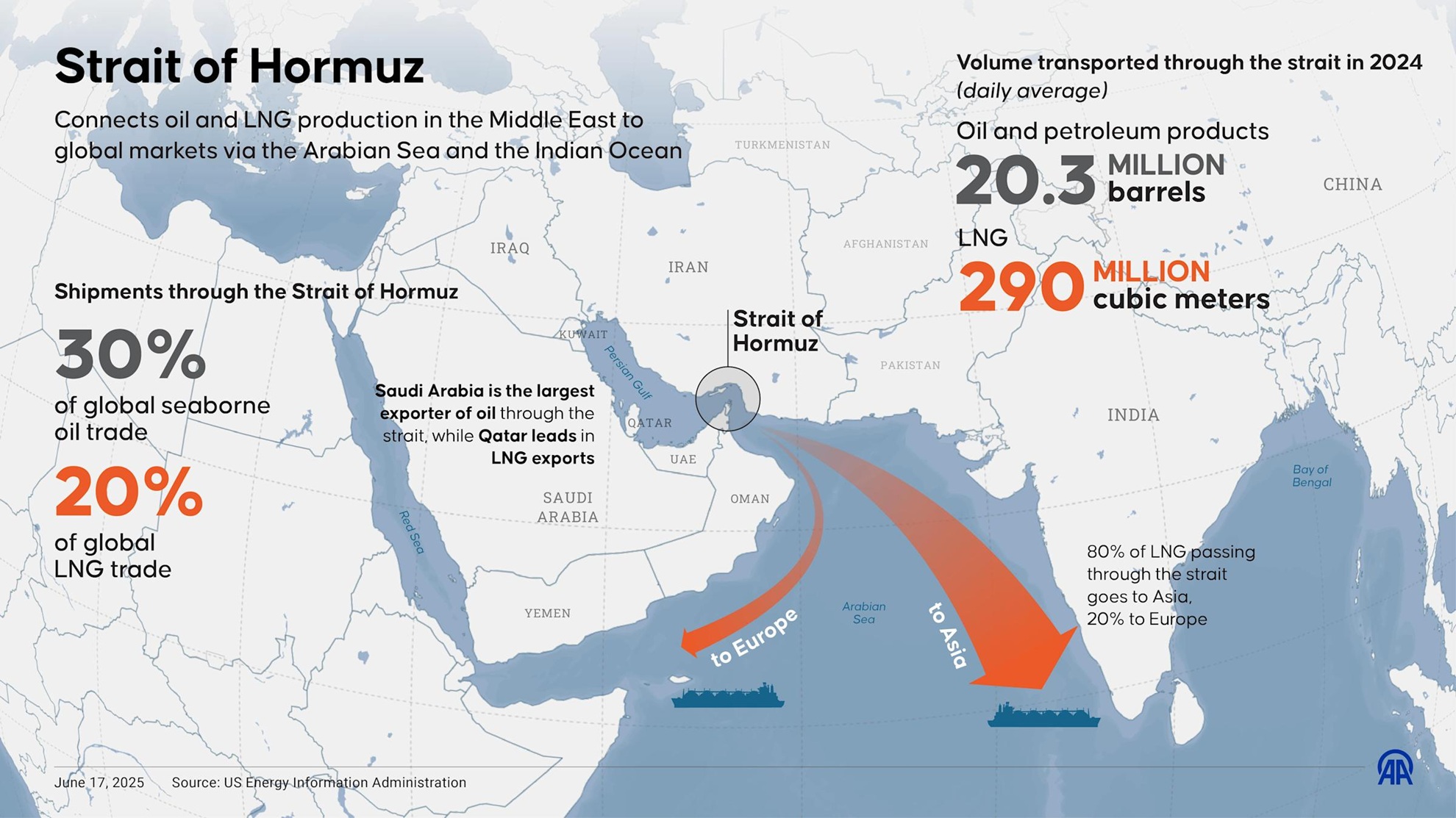
- Alrededor de 20 millones de barriles por día (bpd) de petróleo y productos derivados del petróleo normalmente pasan por el Estrecho de Ormuz entre Irán y Omán, lo que equivale a aproximadamente una quinta parte del consumo mundial de petróleo y aproximadamente el 30% del comercio mundial de petróleo marítimo.
- Esto es un choque de flujo, no un problema de inventario. Los mercados petroleros dependen del rendimiento continuo, no del almacenamiento de información estático.
- Si la interrupción persiste más allá de unas pocas semanas, el Brent podría pasar de un pico a corto plazo a un shock de precios más amplio, con riesgo de estanflación.
- El tráfico de petroleros a través del estrecho cayó de alrededor de 135 barcos por día a menos de 15 en el pico de interrupción, una reducción de aproximadamente 85%, con más de 150 embarcaciones ancladas, desviadas o retrasadas.
- El 8 de abril se anunció un alto el fuego de dos semanas, con negociaciones de tregua de 45 días en curso. Irán ha señalado por separado una demanda de tarifas de tránsito para los buques que utilizan el estrecho, lo que, de formalizar, representaría un piso geopolítico permanente en los costos de energía.
- Los mercados han comenzado a alejarse del crecimiento y la exposición tecnológica hacia los nombres de energía y defensa, lo que refleja la opinión de que el petróleo elevado se está convirtiendo en un costo estructural en lugar de una prima de riesgo temporal.
El punto de choque petrolero más crítico del mundo
El Estrecho de Ormuz maneja aproximadamente 20 millones de barriles diarios de petróleo y productos derivados del petróleo, lo que equivale a alrededor del 20% del consumo mundial de petróleo y alrededor del 30% del comercio mundial de petróleo marítimo. Con la demanda mundial de petróleo cercana a los 104 millones de bpd y la capacidad sobrante limitada, el mercado ya estaba fuertemente equilibrado antes de la última escalada.
El estrecho también es un corredor crítico para el gas natural licuado. Alrededor de 290 millones de metros cúbicos de GNL transitaron por la ruta cada día en promedio en 2024, lo que representa aproximadamente el 20% del comercio mundial de GNL, siendo los mercados asiáticos el principal destino.
La Agencia Internacional de Energía (AIE) ha descrito a Ormuz como el punto de choque del tránsito petrolero más importante del mundo, señalando que incluso las interrupciones parciales pueden desencadenar movimientos desmedidos de precios. El crudo Brent se ha movido por encima de los 100 dólares el barril, lo que refleja tanto la estanqueidad física como una prima de riesgo geopolítico al alza.
Tanques inactivos a medida que los flujos son lentos
Los datos de envío y seguros ahora apuntan a tensión en tiempo real. Se informa que más de 85 grandes transportistas de crudo están varados en el Golfo Pérsico, mientras que más de 150 embarcaciones han sido ancladas, desviadas o retrasadas a medida que los operadores reevalúan la cobertura de seguridad y seguros. Eso dejaría un estimado de 120 millones a 150 millones de barriles de crudo inactivos en el mar.
Esos volúmenes representan solo de seis a siete días de rendimiento normal de Hormuz, o un poco más de un día de consumo mundial de petróleo.
Los datos actualizados de envío y seguros confirman ahora que más de 150 embarcaciones han sido ancladas, desviadas o retrasadas, por encima de las 85 reportadas inicialmente. Los 1.3 días de cobertura de consumo mundial del crudo inactivo siguen siendo la limitación vinculante: se trata de un shock de flujo, no un problema de almacenamiento, y el alto el fuego aún no se ha traducido en un rendimiento restaurado de manera significativa.
Un mercado basado en el flujo, no en el almacenamiento de información
Los mercados petroleros funcionan en movimiento continuo. Las refinerías, las plantas petroquímicas y las cadenas de suministro mundiales están calibradas para lograr entregas estables a lo largo de rutas marítimas predecibles. Cuando los flujos a través de un punto de choque que lleva aproximadamente una quinta parte del consumo mundial de petróleo y alrededor del 30% del comercio mundial de petróleo marítimo se interrumpen, el sistema puede pasar del equilibrio al déficit en cuestión de días.
La capacidad de producción sobrante, concentrada en gran medida dentro de la OPEP, se estima en sólo 3 millones a 5 millones de bpd. Eso queda muy por debajo de los volúmenes en riesgo si los flujos de Ormuz se ven gravemente perturbados.
Oil market analysis
How long do idle tankers last?
135M idle barrels — days of cover against each demand benchmark

vs. Strait of Hormuz daily flow (20M bbl/day)
vs. Global oil consumption (104M bbl/day)
vs. US Strategic Petroleum Reserve release (1M bbl/day)
135M
idle barrels on tankers (midpoint of 120–150M range)
~33%
of daily Hormuz flow that is idle storage, not transit
<31 hrs
is all idle storage against global daily consumption
Riesgos de inflación y macroderrames
El impacto inflacionario de un choque petrolero suele llegar en oleadas. Los precios más altos del combustible y la energía pueden elevar rápidamente la inflación general a medida que los costos de gasolina, diésel y energía se muevan al alza.
Con el tiempo, los mayores costos de energía pueden pasar por fletes, alimentos, manufactura y servicios. Si la perturbación persiste, la combinación de una inflación elevada y un crecimiento más lento podría elevar el riesgo de un entorno estanflacionario y dejar a los bancos centrales enfrentando una difícil compensación.
Sin compensación fácil, un sistema con poca holgura
Lo que hace que el episodio actual sea particularmente agudo es la falta de holgura en el sistema global.
La oferta y la demanda mundiales cerca de 103 millones a 104 millones de bpd dejan poco colchón de sobra cuando un punto de choque que maneja casi 20 millones de bpd, o cerca de una quinta parte del consumo mundial de petróleo, se ve comprometido. La capacidad sobrante estimada de 3 millones a 5 millones de bpd, en su mayoría dentro de la OPEP, cubriría sólo una fracción de los volúmenes en riesgo.
Las rutas alternativas, incluidas las tuberías que eluden Ormuz y el envío reencaminado, solo pueden compensar parcialmente los flujos perdidos, y generalmente a un costo más alto y con plazos de entrega más largos.
Conclusión
Hasta que se restablezca el tránsito por el Estrecho de Ormuz y se vea como creíblemente seguro, es probable que los flujos mundiales de petróleo sigan deteriorados y las primas de riesgo sean elevadas. Para los inversionistas, los formuladores de políticas y los tomadores de decisiones corporativas, la pregunta central es si el petróleo puede moverse hacia donde necesita ir, todos los días, sin interrupción.


Gold surged again in Monday’s session despite a rise in US Treasury yields and setting a new closing high. There was little fundamental news to drive the rally though a comparable surge in the Crypto markets has seemingly given the other “alternative” currency a tailwind. This is four up sessions for gold and with momentum behind it is eyeing the all-time intraday high set back in December of 2049 USD an ounce, though XAUUSD is trading at extreme overbought levels on the RSI.
The US Dollar index was modestly lower in a slow news day with no US data released. DXY trading between its 100- and 200-day SMA with a range of 103.72 and 103.96. The "highlight" was remarks from the Fed's Bostic, who pushed back somewhat on rate cut expectations, saying there was no urgency to cut rates given the US economy’s strength and when rate cuts start they would not be back to back, this saw yields rise but failed to lift USD.
The Dollar did rally against the Yen though, with rising US Treasury yields ahead of Tokyo CPI today seemingly the main driver. For Yen watchers, BoJ Governor Ueda is also due to speak later in the APAC session in Tokyo and cause some volatility in Yen crosses.

USD sold off on Monday with DXY failing to hold above 104 after finding some resistance at the 100 DAY SMA and dipping from a high of 104.20 to a low of 103.70 where the 200 Day SMA held as support. The move lower in USD came despite higher UST yields, which would normally support the USD. EURUSD was supported by the weaker USD with EURUSD rising above its 100 Day SMA at 1.0814, the 200 Day SMA at 1.0826 and briefly above the 1.0850 level.
There was little in the way of Euro data although ECB President Lagarde did speak where she stated the ECB is not there yet on inflation and noting wage pressures remain strong, supporting the EUR somewhat. JPY was softer vs the USD keeping USDJPY above the short erm support at the psychological 150 level. Higher UST yields supporting the pair seeing it test resistance at the 2024 high of 150.8.
JPY traders’ attention turning to Japanese inflation data today where the National Core CPI is expected to drop to 1.9% from the previous reading of 2.3%.
USD was notably weaker in Thursday’s session ahead of the pivotal NFP report on Friday. The US Dollar index falling for the fifth straight session and breaking below 103 to touch on the Jan 24 lows before finding some support. Risk-on sentiment, a fall in yields and weak jobless claims data being the main drivers of the Greenback decline.
JPY saw strong gains against the USD on the back of hawkish BoJ Speak from Governor Ueda and Board Member Nakagawa, also helped by a tightening in US10Y-JP10Y yield differential. USDJPY continuing its break below the psychological 150 level to hit a low of 147.59. EUR also outperformed vs. the Greenback with EURUSD breaking through the key 1.09 level and entering APAC at NY session highs at 1.0948.
Thursdays ECB policy meeting saw the central bank maintaining rates, as expected, whilst slashing its inflation forecasts which now sees 2025 headline inflation at the 2% target. This “dovish” tone saw EUR initially being the worst performer, before EURUSD benefitted from the accelerating in USD selling during the US session. Gold continued its steep rally for a seventh straight session, again setting new all-time highs in doing so.
A fall in yields, a weaker USD and a desire for safe havens pushing the precious metal above 2160 USD an ounce.
Risk off returned to the markets in Tuesdays session with US equity markets pulling back sharply led by tech stocks with the NASDAQ being the biggest loser, shedding 1.65%. The big headline for the day in FX was gold touching on all-time highs, rallying for a fifth straight session, buoyed by haven flows and a drop in US treasury yields. XAUUSD RSI reading in extreme overbought territory at over 78, the highest level since the blow off top in March 2022.
JPY was the G10 outperformer with USDJPY pushing briefly below the key 150 level after a hotter the expected Tokyo inflation print. Yen was also helped by more jawboning out of currency diplomat Kanda who said that markets must brace for higher interest rates environment. AUD and NZD saw marginal losses against the greenback, with AUD modestly outperforming the Kiwi.
In the APAC session both currencies were softer amid disappointment out of China which weighed on sentiment before recovering somewhat in the US session. AUDUSD briefly dropped below 0.65 and hit a low of 0.6478 before finding support to head into the APAC session above 0.65. NZDUSD pushing below last week's RBNZ-led low and 200DMA at 0.6076 to make a low at 0.6072 before recovering to trade above the key support at 0.61.
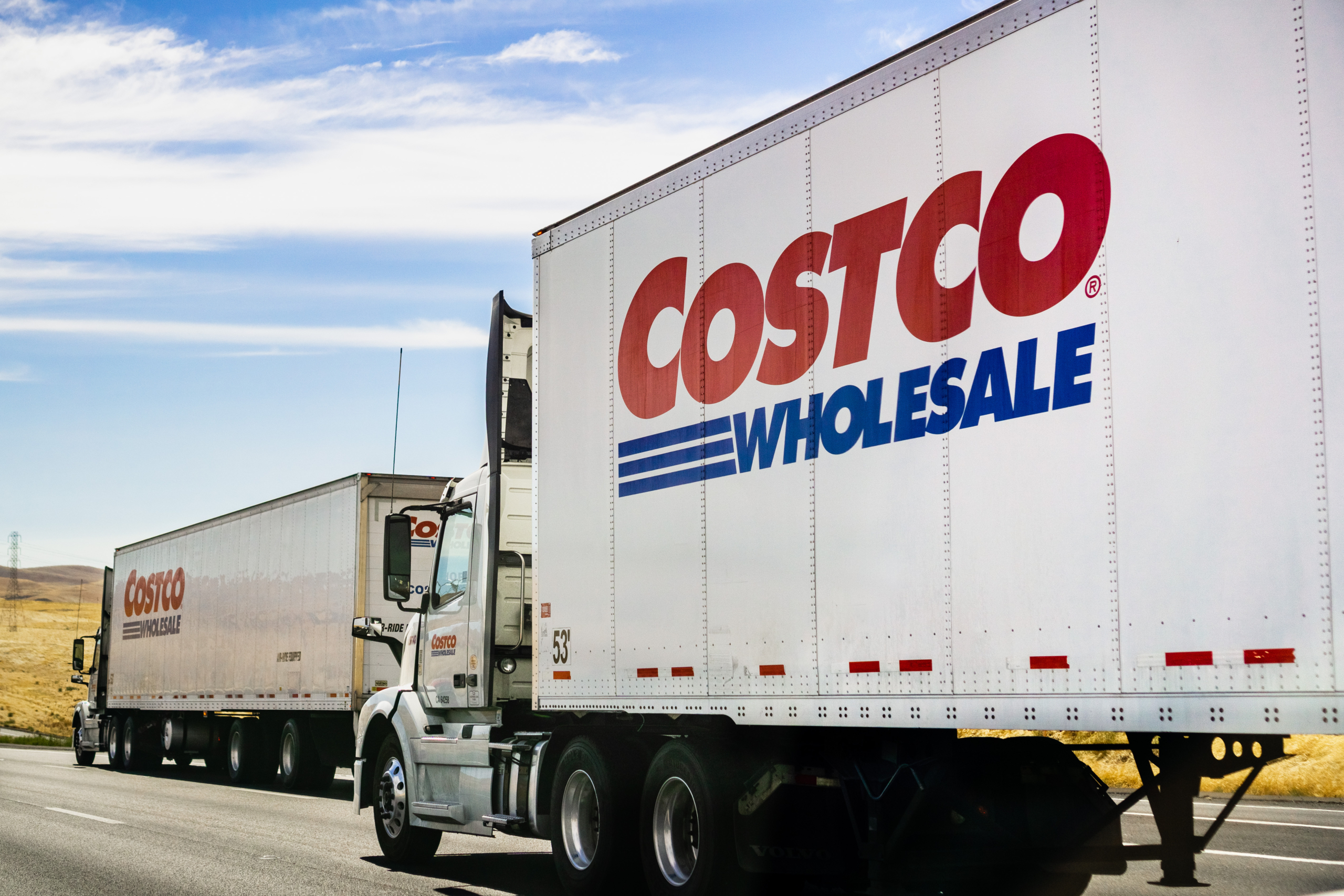
Broadcom Inc. (NASDAQ: AVGO) wasn’t the only company releasing the latest earnings report on Thursday. World’s second largest supermarket chain Costco Wholesale Corporation (NASDAQ: COST) also announced their results after the closing bell on Wall Street. Costco reported revenue of $57.33 billion vs. $59.111 billion expected.
Revenue rose by 5.7% year-over-year. Earnings per share (EPS) was reported at $3.92, which was above Wall Street estimate of $3.64 per share. EPS increased by 18.78% vs. the same period the year prior.
Company overview Founded: September 15, 1983 Headquarters: Issaquah, Washington, United States Number of employees: 316,000 (2023) Industry: Retail Key people: Hamilton E. James (Chairman), W. Craig Jelinek (President and CEO) Stock reaction Broadcome was up by 1.60% before the earnings call, trading at $785.59 a share.
Shares rose to a new all-time high of $787.08 during the session. The stock was down by around 4% post market after the latest results were announced. Stock performance 5 day: +4.99% 1 month: +7.85% 3 months: +27.83% Year-to-date: +18.32% 1 year: +62.87% Costco stock price targets Oppenheimer: $805 Telsey Advisory Group: $785 Wells Fargo & Company: $675 The Goldman Sachs Group: $749 Loop Capital: $755 Tigress Financial: $745 Northcoast Research: $620 Raymond James: $670 UBS Group: $725 BMO Capital Markets: $700 DA Davidson: $600 Stifel Nicolaus: $675 Citigroup: $630 Evercore ISI: $650 JP Morgan Chase & Co.: $605 Costco Wholesale Corporation is the 26 th largest company in the world with a market cap of $346.60 billion, according to CompaniesMarketCap.
You can trade Costco Wholesale Corporation (NASDAQ: COST) and many other stocks from the NYSE, NASDAQ, HKEX and ASX with GO Markets as a Share CFD on the MetaTrader 5 platform. To find out more, go to "Trading" then select "Share CFDs". GO Markets offers pre-market and after-market trading on popular US Share CFDs.
Why trade during extended hours? Volatility never sleeps. Trade over earnings releases as they happen outside of main trading hours Reduce your risk and hedge your existing positions ahead of a new trading day Extended trading hours on popular US stocks means extended opportunities Sources: Costco Wholesale Corporation, TradingView, MarketWatch, MarketBeat, CompaniesMarketCap
Broadcom Inc. (NASDAQ: AVGO) announced its latest financial results after the US market closed on Thursday. The US tech giant achieved revenue of $11.961 billion in the first quarter of fiscal year 2024 (up by 34% year-over-year) vs. $11.759 billion estimate. Earnings per share was reported at $10.99 (up by 6.38% year-over-year) vs. $10.368 per share expected.
The company announced a quarterly dividend of $5.25 a share. Company overview Founded: 1961 Headquarters: San Jose, California, United States Number of employees: 20,000 (2023) Industry: Semiconductor, computer software Key people: Henry Samueli (Chairman), Hock Tan (President and CEO) CEO commentary Hock Tan, CEO of Broadcom had this to say in a letter to investors: "We are pleased to have two strong drivers of revenue growth for Broadcom in the first quarter and fiscal year 2024. First, our acquisition of VMware is accelerating revenue growth in our infrastructure software segment, as customers deploy VMware Cloud Foundation.
Second, strong demand for our networking products in AI data centers, as well as custom AI accelerators from hyperscalers, are driving growth in our semiconductor segment." "We reiterate our fiscal year 2024 guidance for consolidated revenue of $50 billion and adjusted EBITDA of $30 billion," Tan looked at the year ahead. Stock reaction Shares ended Thursday’s session up by 4.22% before the results were announced, trading at $1,407.01 a share. The stock dipped by around 3% in the after-hours trading.
Stock performance 5 day: +7.19% 1 month: +9.35% 3 months: +51.15% Year-to-date: +24.88% 1 year: +123.92% Broadcom stock price targets Mizuho: $1,550 Rosenblatt Securities: $1,500 Cantor Fitzergald: $1,600 Oppenheimer: $1,500 Susquehanna: $1,550 UBS Group: $1,480 The Goldman Sachs Group: $1,325 Citigroup: $1,100 TD Cowen: $1,000 Truist Financial: $1,015 KeyCorp: $1,200 Evercore ISI: $1,050 Robert W. Baird: $1,000 Deutsche Bank: $950 Wells Fargo & Company: $900 Broadcom Inc. is the 11 th largest company in the world with a market cap of $646.85 billion, according to CompaniesMarketCap. You can trade Broadcom Inc. (NASDAQ: AVGO) and many other stocks from the NYSE, NASDAQ, HKEX and ASX with GO Markets as a Share CFD on the MetaTrader 5 platform.
To find out more, go to "Trading" then select"Share CFDs". GO Markets offers pre-market and after-market trading on popular US Share CFDs. Why trade during extended hours?
Volatility never sleeps. Trade over earnings releases as they happen outside of main trading hours Reduce your risk and hedge your existing positions ahead of a new trading day Extended trading hours on popular US stocks means extended opportunities Sources: Broadcom Inc., TradingView, MarketWatch, MarketBeat, CompaniesMarketCap