The OPEC group has announced plans to increase production of Crude oil to reduce the panic and ease the supply crunch. However, some analysts believe that the amount will be insufficient reduce the price. The organisation agreed to increase production to 648,000 barrels from 400,000 per day beginning in August.
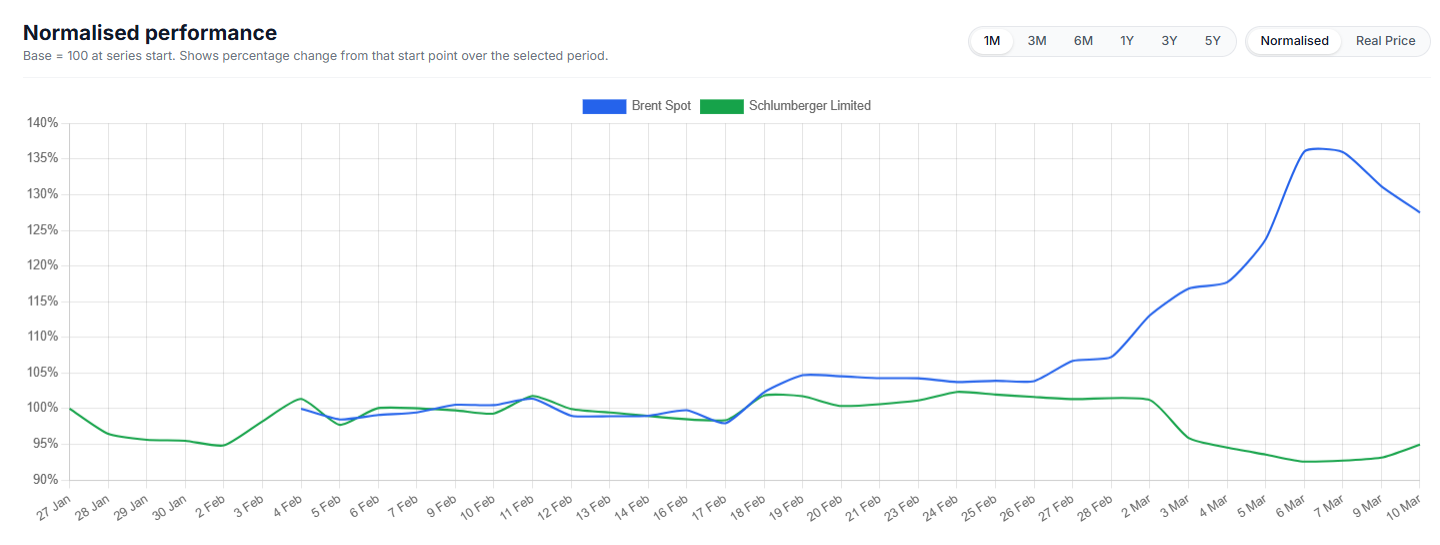
Brent crude and WTI dropped in price in response, although they did settle as the day progressed. Background The price of oil initially spiked in response to the Russian and Ukraine crisis as sanctions were placed on Russia and supply chains began to come under stress. This caused a supply shock, and prices began to rocket up.
The added pressure of record high inflation has only accelerated the prices higher. Despite the increase in production, the emerging countries who produce oil are already struggling to keep up with their production targets. For instance, Nigeria, Venezuela, and Libya are struggling to produce their required amount for various reasons and have been set over ambitious targets.
This leaves the USA and Saudi Arabia are left to pick up the slack. Geopolitical Problems Political forces are also at play whenever oil is mentioned. Russia has such a powerful role in the production.
Restrictive economic sanctions placed on them since the crisis began has only added to uncertainty and volatility. Analysts believe that reducing the Russian influence on OPEC may reduce the volatility of oil prices, however this strategy will ultimately fail if Russia produces less oil and not more. Isolating Russia and placing more sanctions on them may prove counterproductive to dealing with oil supply.
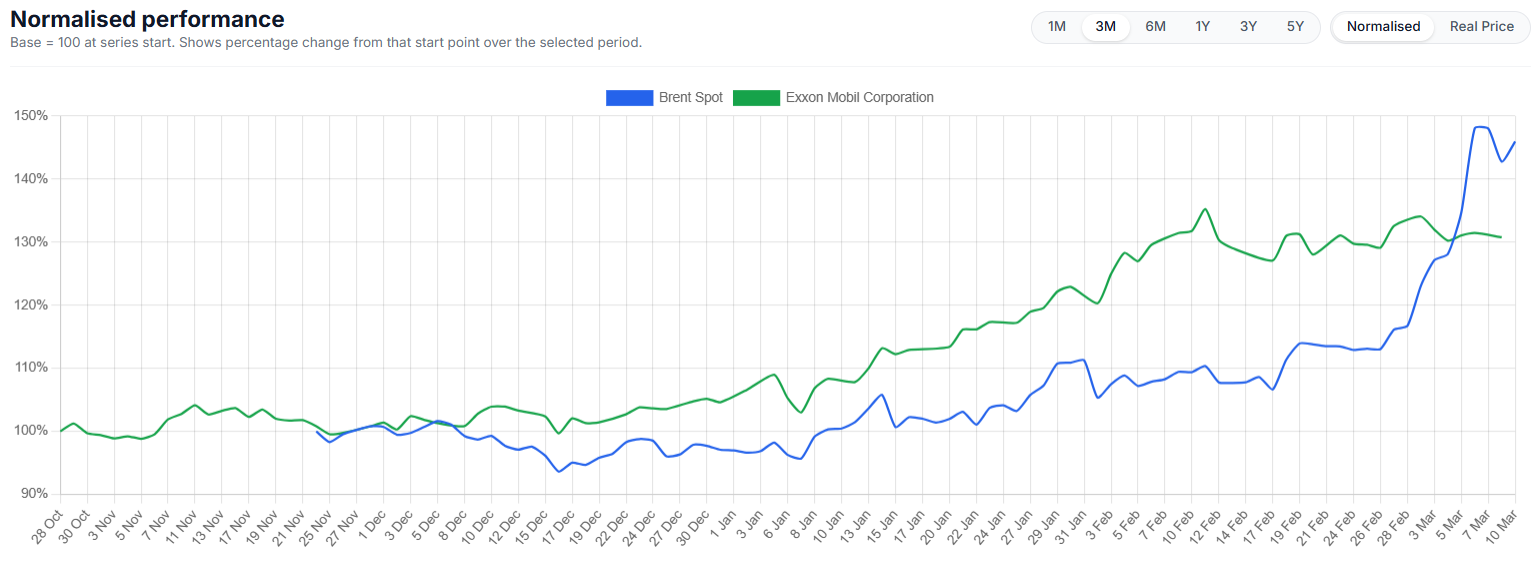
Initial price action The price of oil dropped on the news with both WTI and Brent Crude oil dropping significantly. WTI dropped by 3.44% whilst Brent dropped 2.93%. Both prices remain volatile and in pattern of medium-term consolidation.
The price remains at the mercy of inflation rates and geopolitical influences.

The information provided is of general nature only and does not take into account your personal objectives, financial situations or needs. Before acting on any information provided, you should consider whether the information is suitable for you and your personal circumstances and if necessary, seek appropriate professional advice. All opinions, conclusions, forecasts or recommendations are reasonably held at the time of compilation but are subject to change without notice. Past performance is not an indication of future performance. Go Markets Pty Ltd, ABN 85 081 864 039, AFSL 254963 is a CFD issuer, and trading carries significant risks and is not suitable for everyone. You do not own or have any interest in the rights to the underlying assets. You should consider the appropriateness by reviewing our TMD, FSG, PDS and other CFD legal documents to ensure you understand the risks before you invest in CFDs. 免责声明:文章来自 GO Markets 分析师和参与者,基于他们的独立分析或个人经验。表达的观点、意见或交易风格仅代表作者个人,不代表 GO Markets 立场。建议,(如有),具有“普遍”性,并非基于您的个人目标、财务状况或需求。在根据建议采取行动之前,请考虑该建议(如有)对您的目标、财务状况和需求的适用程度。如果建议与购买特定金融产品有关,您应该在做出任何决定之前了解并考虑该产品的产品披露声明 (PDS) 和金融服务指南 (FSG)。




.jpeg)